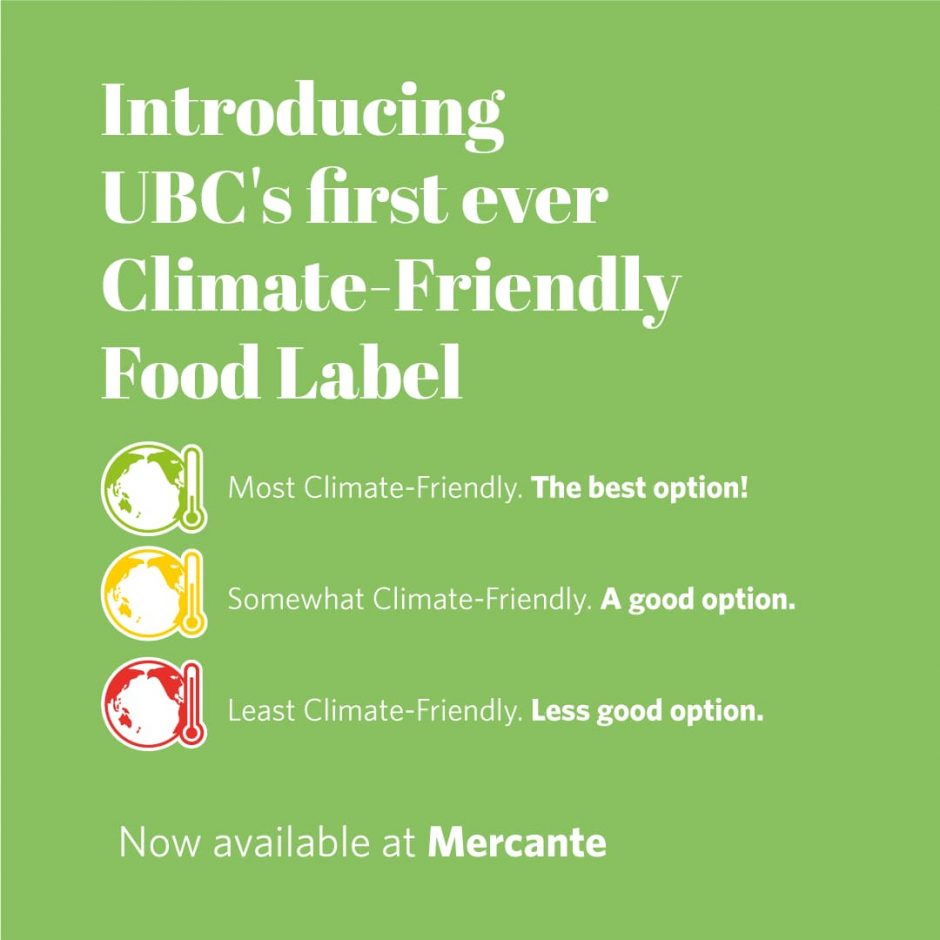
The soft launch of UBC’s first Climate-Friendly Food Label took place this summer in partnership with UBC Food Services, the SEEDS Sustainability Program, Institute for Resources, Environment and Sustainability, Department of Psychology and Faculty of Science – and we want to hear your feedback!
Please take 5 minutes to complete this survey about UBC’s first Climate-Friendly Food Label.
You will be asked to play a virtual food purchasing game and answer some questions. At the end of the survey, you can enter your email for a prize draw for a $50 UBC gift card. Your data will only be used for research purposes and your identity will be kept strictly confidential.
The Climate-Friendly Food Label is part of the emerging UBC Climate Action Plan 2030, which will position UBC as a model of how universities can mobilize to address the climate emergency and targets in the Paris Agreement through bold, impactful actions to accelerate and deepen reductions across operations, and expanded action on reducing indirect emissions from commuting, air travel, food, and waste.
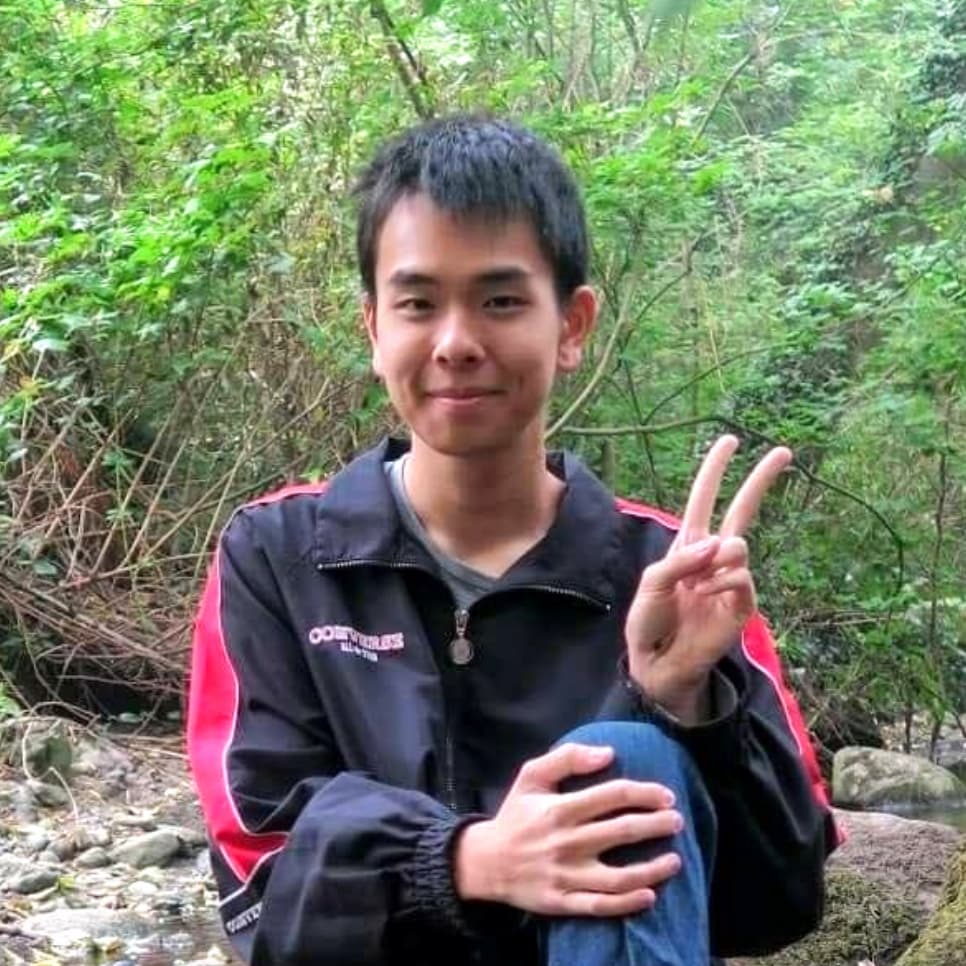
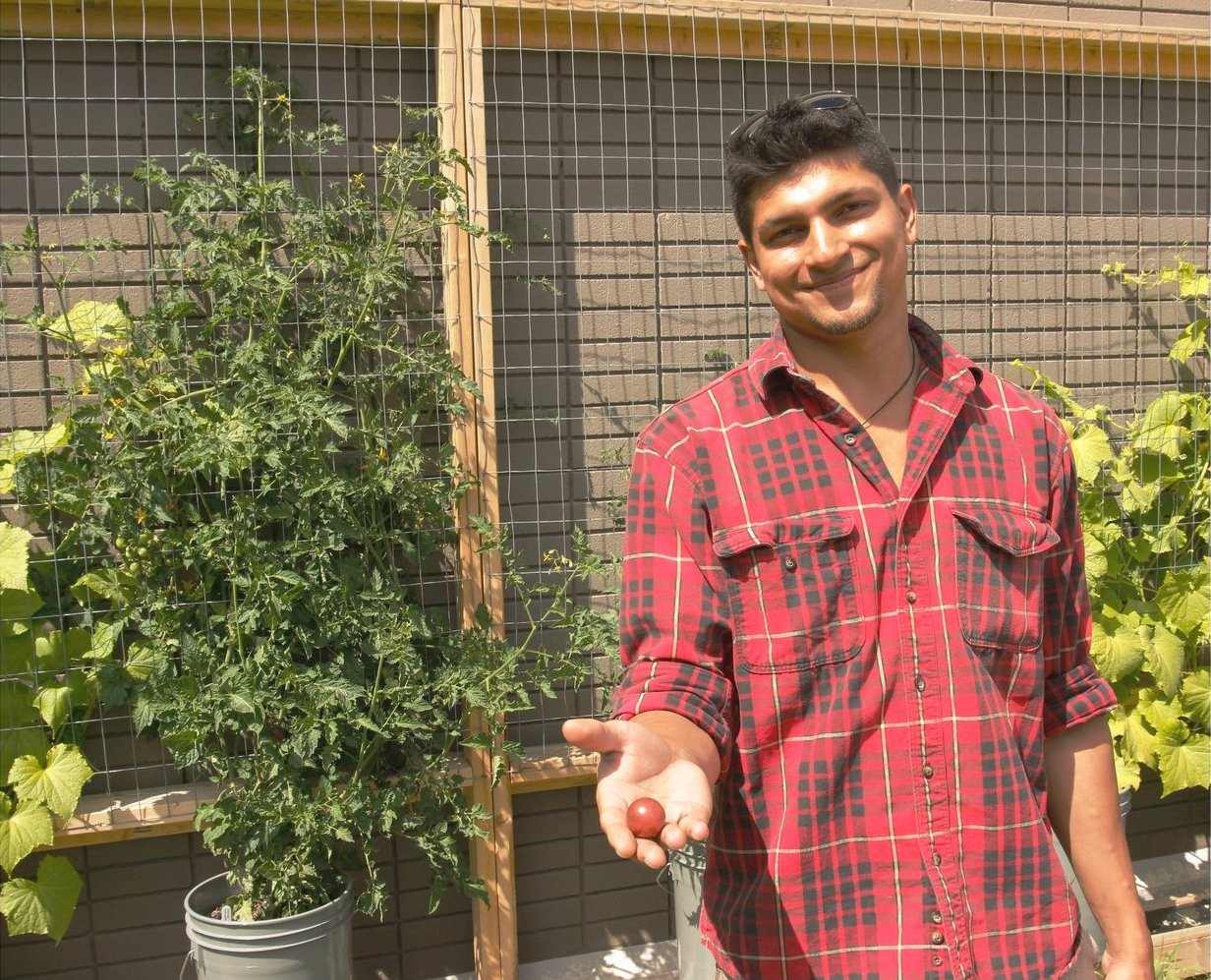
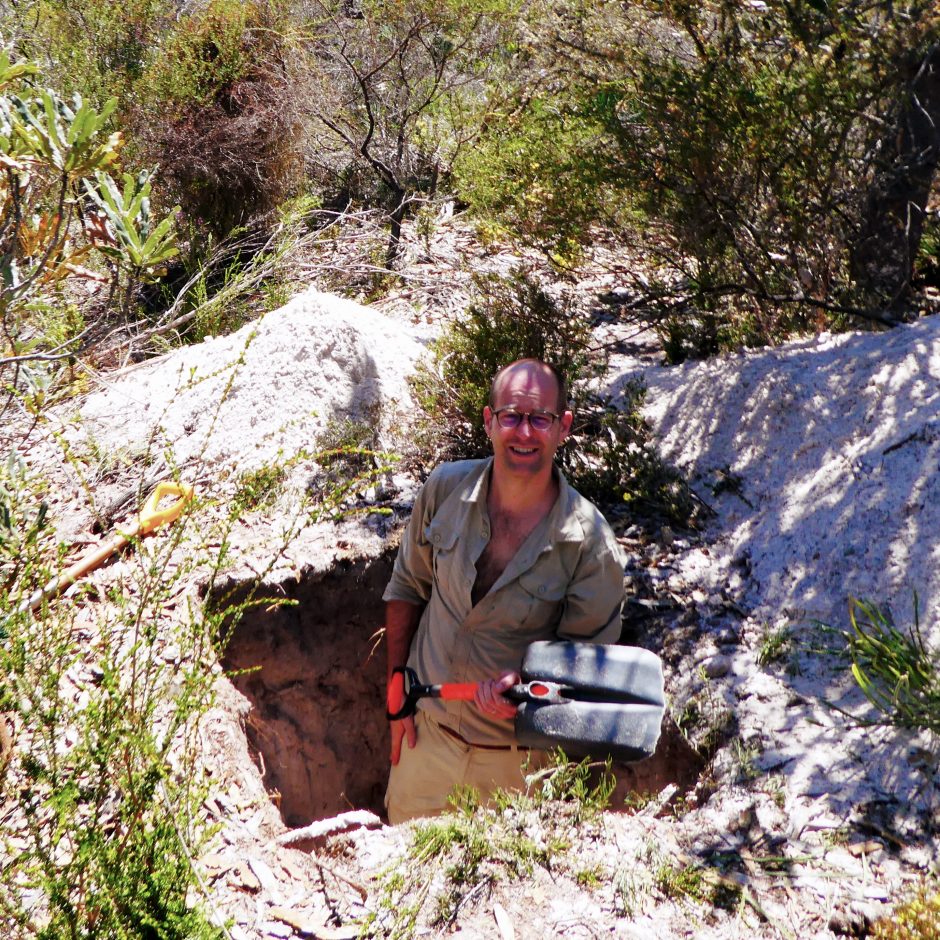
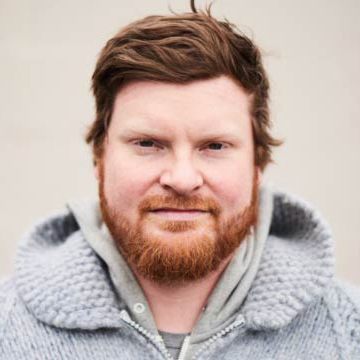
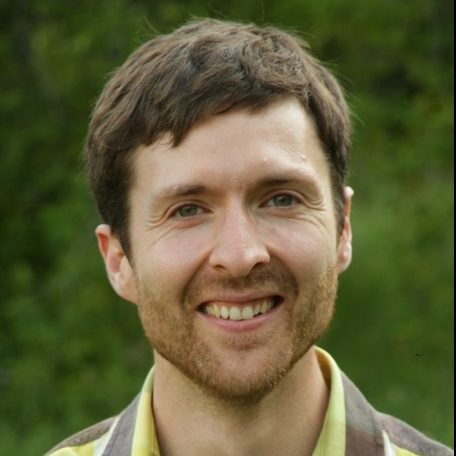
Work Learn Profile: Timothy Wong, Market Sales Worker
What did you work on in this role?
Running of the Tuesday/Saturday weekly Farmers Markets at the UBC farm, including set up of produce displays, processing harvested produce for sale, general set-up/take down of stalls, and general cashiering duties
What did you learn in this position?
I learned a lot about food systems in general, more specifically the pipeline through which produce gets from the farm all the way to the table. This included learning about the seasonality of different items, how they were grown, how they need to be harvested, and how they can be consumed/used. I also gained insight on what a sustainable food system would look like in practice, and the adjustments and loopholes needed to maintain an organic farm as opposed to a “regular” one.
Why does this work matter?
Many people living in urban environments do not have steady access to fresh, organic produce. This could be due to location, time, or monetary restraints. This market is an opportunity for members of the community to buy locally grown, organic produce while also learning about sustainable food systems by touring the farm. It also provides an opportunity to educate people on sustainable food systems and the benefits of organic farms, such that they might change their consumption habits upon recognition of their benefits.
What would you tell a new student taking on this role? Or what do you wish you had known?
Make sure to talk to as many people on the farm as possible. You will see many people in passing, and even a short conversation can be very insightful, as many people have their own projects or areas they manage and will have a lot of knowledge to share.
What should people know about the UBC Farm that they probably don’t know?
I think most people don’t quite understand the sheer size of the UBC Farm. It’s often advertised as being 24 hectares, but you really can’t grasp the sheer scale of it until you visit in person. I also think that people underestimate the number and type of projects that are on the farm. It extends far beyond just growing produce, and there are numerous research projects and unique undertakings. For instance, did you know that there’s a project that’s aiming to grow truffles?
What’s your favourite thing to do at the UBC Farm?
Honestly, just walking around and seeing all the different plots. It sounds cheesy, but the sheer vastness of the farm never gets old. You can walk by once a week and see how certain things have grown, or how projects have progressed, it’s quite inspiring.
What other roles have you held at CSFS at the UBC Farm?
I occasionally help with the harvests, but otherwise this is my first role I have held at CSFS at the UBC Farm.
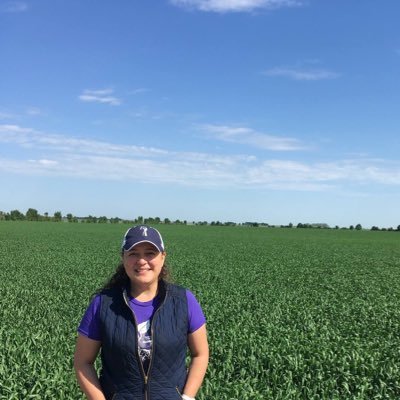
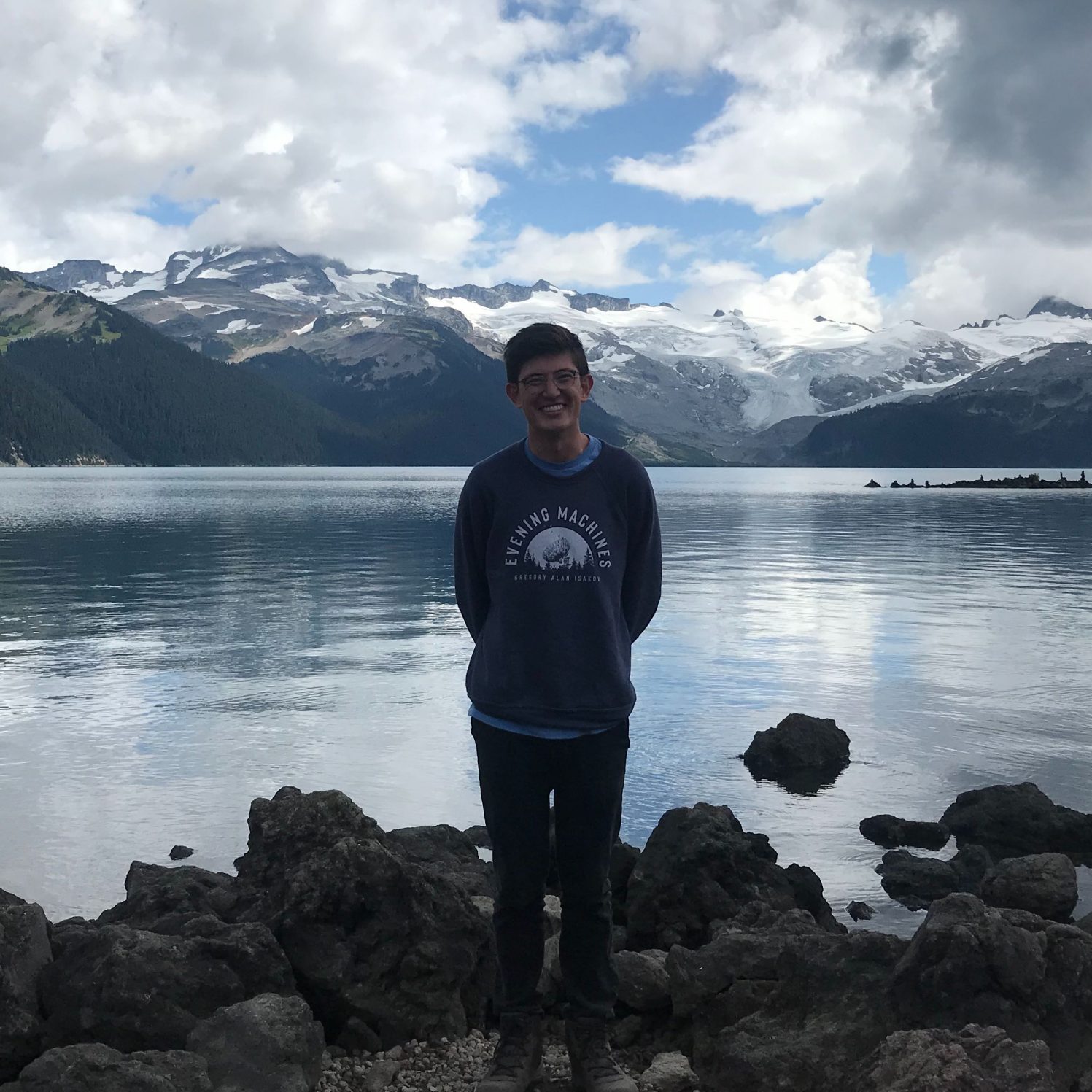
Work Learn Profile: Camille Lyu, Saturday Farm Market Worker
What did you work on in this role?
In this role I worked on the operation of the Saturday Farm Market to ensure that the customers and vendors both have the best experience possible.
What did you learn in this position?
In this position I have learned a lot. But what stood out to me the most are relationship building and problem solving. Over time I developed relationships with the vendors, and I enjoyed the process. I have also grown in my ability to solve problems and conflicts. I think the skills I’ve learned during the summer would serve me well in the future.
Why does this work matter?
One important aspect and mission of the UBC Farm is connecting land, food, and community. The Saturday Farm Market is an essential piece of building that connection. The market offers an opportunity for community members to connect to the land that grows the food. Being the team that ensures a smooth operation of the market, this work is therefore an important piece in achieving the mission of community connection.
What would you tell a new student taking on this role? Or what do you wish you had known?
The relationship I was able to build throughout the process is what makes this role memorable for me. So I would say don’t be afraid to speak to new people and make new friends!
What should people know about the UBC Farm that they probably don’t know?
UBC Farm has an agroforestry trail that hosts many traditional local plants.
What’s your favourite thing to do at the UBC Farm?
My favorite thing to do is wandering around the Farm Market and picking blackberries along the way.
What other roles have you held at CSFS at the UBC Farm?
Over the summer I have also been doing a directed study at the xʷc̓ic̓əsəm Garden at the UBC Farm.
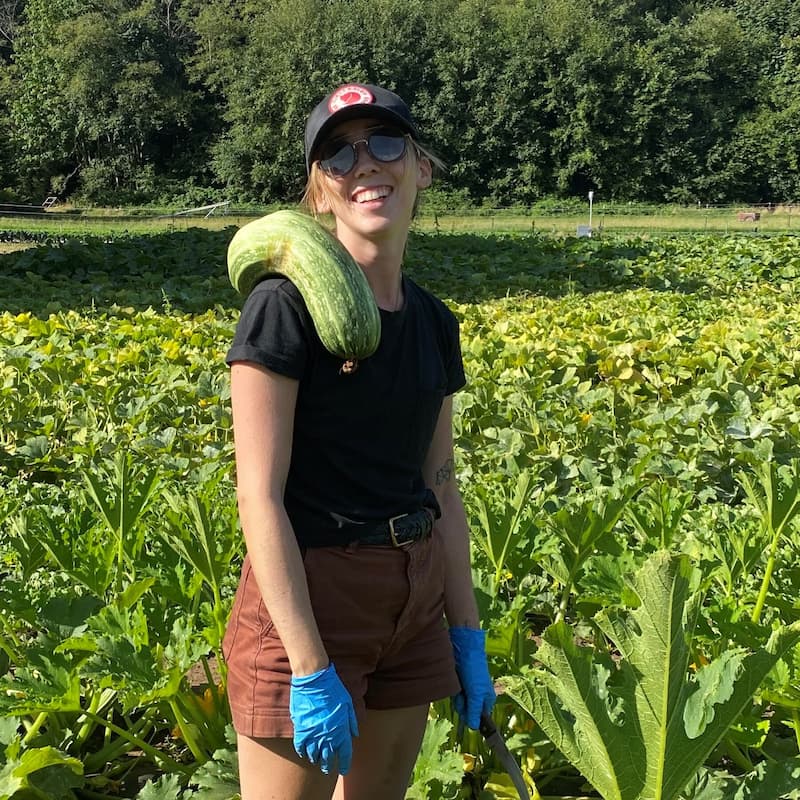
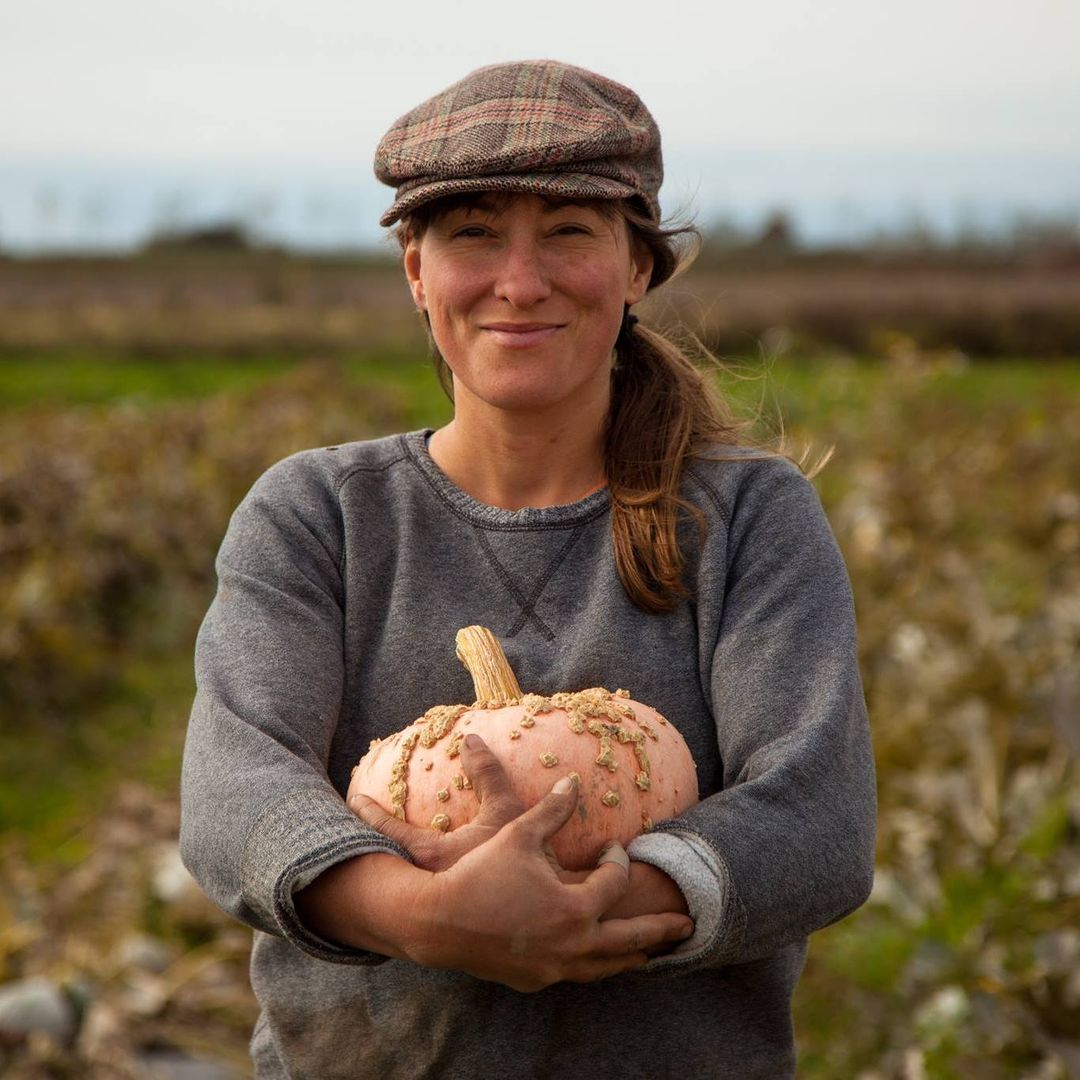
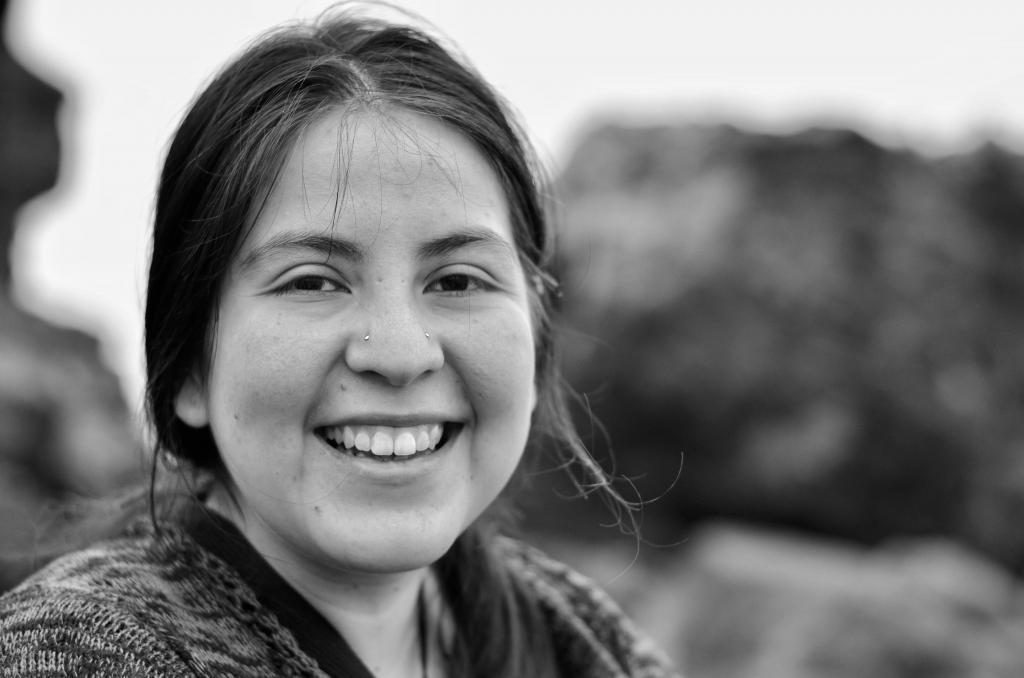
Work Learn Profile: Ashley Bell, Vegetable Field Worker
What did you work on in this role?
Cucurbits, goosefoots, and alliums
What did you learn in this position?
About the planting and harvesting methods of various plants, seeding, watering, processing, teamwork, and communication
Why does this work matter?
It’s important to maintain our organic food farms and understand where our produce comes from. The farm offers a space to do this as well as implement research, indigenous foodways, and children into the community learning too.
What would you tell a new student taking on this role? Or what do you wish you had known?
It’s a lot of manual labor and the first few weeks your body will need to get used to it. Eat lots and hydrate!
What should people know about the UBC Farm that they probably don’t know?
Everyone has each other’s best interest at heart and make sure to help each other out whenever possible.
What’s your favourite thing to do at the UBC Farm?
Lay in the hammock behind the farm center
What other roles have you held at CSFS at the UBC Farm?
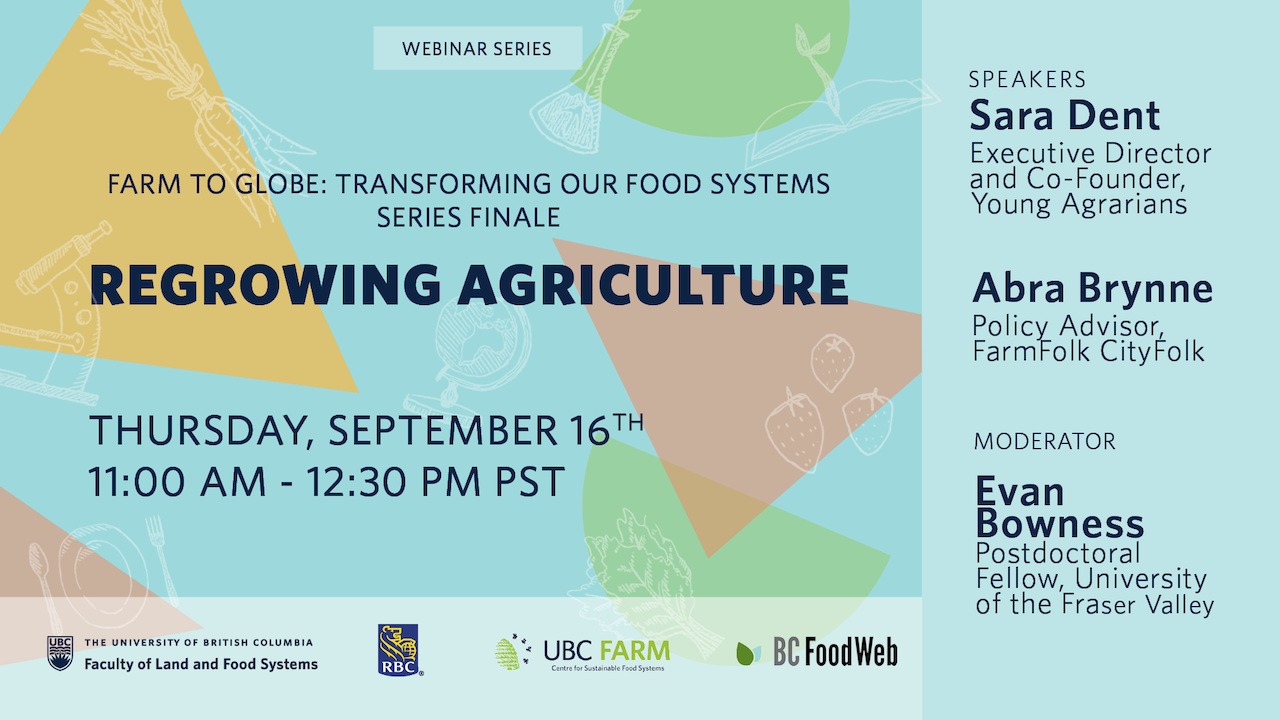
Farm to Globe: Transforming Our Food Systems presents:
Regrowing Agriculture
Humans have been cultivating food for thousands of years. Today the agricultural industry is a result of layers of power structures and political systems. In this episode we will be exploring how to move forward in a way that celebrates diversity, champions sustainability, uplifts workers and producers, and maintains a healthy environment for all creatures on the planet. Join our panelists as they discuss their own work with young and entrant farmers, the impacts of climate change on our agricultural systems, decolonizing our approach to research and so much more.
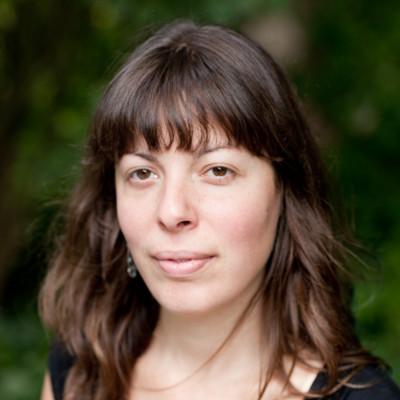
Sara Dent is a photographer, public speaker, health coach, and professional farm wrangler. She has over 20 years of experience working in the charitable sector developing programs, fundraising, building community, and acting as an agent for change, as well as 15 years of knowledge and experience in ecological agriculture and food systems. For the past decade, with a team of collaborators, she has grown a farmer2farmer educational resource network for new and young agro-ecological farmers called Young Agrarians. As a systems thinker, her work is diverse. She has a very deep love for photographing farms, food and ecology. She is fascinated by the intersection between the land and the body, soil and gut health. Sara believes that in order to rebuild broken ecologies, we need to grow social ecologies to nurture our communities to regenerate our environments. She dreams of a world where ecology is at the heart of modern culture, and through the regeneration of our food ecosystems we can potentiate.
Abra Brynne – FarmFolk CityFolk
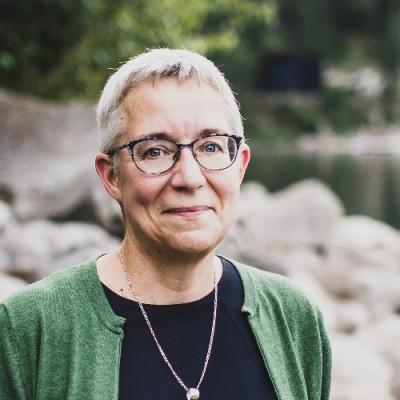
Abra Brynne is a nationally respected food systems advocate. She has worked closely with farmers and on food systems for almost thirty years, with a priority on food value chains and the regulatory regimes that impede or support them. From 2006 to 2012 she worked with abattoir operators across southern British Columbia, helping them to come into compliance with a series of regulatory changes as well as advocating for policy suitable for small and medium-scale abattoirs. In 2012, Abra began integrating fisheries into the scope of her work, recognizing the vital role that fisheries play in the vibrancy of marine ecosystems, communities and the diets of people around the world. She works to lower the barriers, both regulatory and otherwise, for small and medium-scale businesses to thrive in place-based food systems. Abra is a founding member of many agriculture and food-related organizations, including BC Food Systems Network, the Canadian Biotech Action Network, Kootenay Local Agricultural Society, and Food Secure Canada. She is currently the Executive Directory of the Central Kootenay Food Policy Council. She has held leadership positions on numerous Boards over many years, all connected with healthy communities and food in some way.
Evan Bowness – Moderator – UFV
Evan Bowness is an environmental sociologist, urban political ecologist, and postdoctoral fellow at the Food and Agriculture Institute at the University of the Fraser Valley. Evan holds a PhD from the Institute for Resources, Environment and Sustainability at the University of British Columbia and is a research fellow at the University of Manitoba. His work examines agroecology in Canada and Brazil, emerging agricultural technologies, and the corporate food regime.
Farm to Globe: Transforming Our Food Systems presents:
From Lab to Field: Genomic, Microbial, Biogeochemical Studies
The sterile environment of the laboratory seems a world away from the soil of the farm. However, our panelists will prove that what we can learn in the lab can change the way we farm forever. From looking at soil-root-microbiome associations, mapping proteins in pest-host interactions, and so much more, explore the bustling intersection between microbiology, genetics, biogeochemistry and agriculture, and learn the incredible ways these methods are skyrocketing our knowledge and understanding of our farm ecosystems.
About the Presenters
JT Cornelis – UBC LFS
Dr. JT Cornelis is a pedologist and biogeochemist, Assistant Professor in Soil Science at the Faculty of Land and Food Systems, University of British Columbia. JT comes from the University of Liège (Belgium), where he was appointed as an Assistant Professor in Soil Science. He received a PhD from the Earth and Life Institute, Université catholique de Louvain (Belgium) in 2010. His research investigates soil processes controlling biogeochemical cycles of nutrients and how soil-plant feedback interactions respond to environmental changes. His process-based approach focuses on the soil system, which is by nature multi-scale and interdisciplinary. JT takes as an advantage the complexity and diversity of soil processes to teach students the notion of critical thinking and complex thought. Daddy of two little boys, outdoor enthusiast, big fan of surrealism, he loves to brainstorm new ideas.
Dr. Karen Fong – AAFC
Dr. Karen Fong leads a food microbiomics research program that is focused on investigating pathogen mitigation (Salmonella, Verotoxin-producing E. coli). Her group primarily uses omics technology to characterize novel approaches to ensure the safety and security of the Canadian food supply. Additional research interests include: food and environmental metagenomics, antimicrobial resistance, and microbiology of fresh produce commodities. Karen was born and raised in the Okanagan region of BC. She holds a PhD in Food Science from The University of British Columbia and was a recipient of Canadian Dairy Commission & NSERC Alexander Graham Bell Canada Doctoral Scholarship.
Dr. Zayda Morales Moreira – UBC Science
Moderator: Dr. Zayda Morales Moreira received her PhD in Applied Microbiology from University of Saskatchewan in 2021 working on wheat, canola, and lentil microbiomes. She completed her Masters in Agricultural Microbiology in Brazil at Universidade Federal do Recôncavo da Bahia and her Bachelor of Science in Biotechnology in Ecuador at Army Polytechnic School. She is interested in how plant microbiomes are assembled, transmitted, and preserved in response to specific biotic and abiotic stresses. Zayda is currently a postdoctoral fellow in the Haney Lab
Farm to Globe: Transforming Our Food Systems presents:
Organic, Biodynamic, Regenerative: What’s Really Healthy for Our Soil?
Nowadays, as we stroll up and down the aisles of the grocery store and peruse the weekend farmer’s market, we are confronted with a lot of choices. Organic certification, produced using biodynamic methods, grown on a no-till farm – but what do any of these mean? In this webinar we are going to be taking a deep dive into the various new ‘types of agriculture’, what they mean and why they all seem to boast being the healthiest for our soil. Join our panelists for an exploration of these new methods and how focusing on our soil health is driving a revolution in agriculture.
About the Presenters
Barbara Schellenberg – Pasture to Plate
Barbara Schellenberg is the general manager of Pasture to Plate and the daughter of founders Jasmin and Felix Schellenberg. Barbara is also currently the director of the Agriculture Advisory Committee and the Small Scale Food Processors Association. She has a history as a restaurant owner and chef, and is even the CEO of Ethical Soda, a brewed kombucha line. Pasture to Plate is all about People, Animals and Healthy Soils and is certified organic while also utilizing biodynamic practices. Ranch headquarters are situated in Redstone, British Columbia, and the Butcher Shop is located on Commercial Drive. The bottom line at Pasture to Plate is sustainability for all – Healthier Lifestyle, Ethical Treatment, Environmentally Conscious.
Corine Singfield – Closed Loop Consulting
Corine Singfield is a regenerative agriculture consultant, farmer and researcher. She is the current board director at Organic BC, as well as the Investment Agriculture Foundation of BC. She holds a Masters in Soil Sciences from the University of British Columbia, where her research explored developing land management strategies for farmers, looking at ecologically sound ways to veer away from farm intensification and back to integrated livestock/crop/perennial systems. Corine has been a farmer for almost two decades. She has a deep commitment to creating integrated and closed-loop agricultural systems that merge production and ecosystem functions.
Tim Nerbas – Soil Conservation Council
Tim Nerbas currently serves as Past Chair on the Soil Conservation Council of Canada and sits on the Soil Carbon Advisory Committee in Saskatchewan. Tim served as President of the Saskatchewan Soil Conservation Association and served as chair of the Western Applied Research Corporation at the Scott Research Station. He spent five years with the University of Saskatchewan and Agriculture Canada as a pedologist on Soil Survey. Tim provided pedology expertise on the Boreal Ecosystem and Atmospheric Study in northern Saskatchewan. He also spent 10 years as extension specialist with the SSCA promoting conservation agriculture. Tim obtained his MSc in Soil Science from the U of S. Presently his wife and he operate NRG Farms Ltd, a mixed farming operation in NW Saskatchewan.
Camil Dumont – Moderator – CSFS
Camil Dumont After completing an interdisciplinary BA at UBC with a focus on Political Science and Creative Writing, Camil Dumont completed his MSc. at UBC in 2017 in the Faculty of Land and Food Systems. Prior to completing his Master’s degree, Camil worked for a decade, seasonally, at the Vancouver Park Board, in horticulture. Camil is a founder of Inner City Farms Society (ICF), a Vancouver urban farm, in 2009. Camil has been Head Farmer and Executive Director of ICF since 2010. Elected in the 2018 civic election to represent Vancouverites as Commissioner at the Board of Parks and Recreation, he currently sits as Chair of the Vancouver Park Board. Camil is a lifelong environmentalist, a dad, a baseball player, a home chef and a connector of people. He loves his family, his community, his city and our little blue planet, very much.
Farm to Globe: Transforming Our Food Systems presents:
Cultivating Biodiversity: Agricultural Landscapes and the Biodiversity Crisis
We are in a crisis like never before. The Intergovernmental Science-Policy Platform on Biodiversity and Ecosystem Services has found that over one million animal and plant species are threatened with extinction, and many are already there. What’s this got to do with agriculture? While large industrialized monoculture fields greatly reduce biodiversity of native plant species and also the animals that depend on them, there is growing awareness that we can cultivate biodiversity through our farming practices. Most of Canada’s species at risk occur in southern agricultural landscapes, giving farmers a huge opportunity to make a big difference in the fight for biodiversity conservation. Join our panelists as they discuss the loss of biodiversity and how agricultural landscapes could help instead of harm.
About the Presenters
Matt Tsuruda – UBC LFS
Matt Tsuruda is a M.Sc. student in the Plant Science program. He completed his B.Sc. at UBC in Biology. He has long been interested in insects, biodiversity, and sustainable agriculture, which led him to his current project. Matt is interested in the ways that habitat enhancements affect insect biodiversity in agroecosystems. As agricultural intensification increases worldwide, natural habitat and biodiversity have seen declines which can result in increased occurrences of pest outbreaks. Of particular interest to Matt is the invasive spotted-wing drosophila, which causes tremendous damage to crops and threatens the livelihoods of many growers. Matt spends the majority of his free time skateboarding, hiking and playing video games!
Aidee Guzman – UC Berkeley
Aidee Guzman is a Ph.D. candidate at UC Berkeley where she works with Dr. Claire Kremen and Dr. Timothy Bowles in the Department of Environmental Science, Policy, and Management. Having deep family roots in agriculture, she is compelled to understand the socio-ecological linkages of diversifying farming systems. Her research draws from the knowledge produced in ecology, soil microbiology, pollination biology, and sociology of agriculture. For her Ph.D., Aidee is working with small-scale farmers embedded in the monoculture landscape of California’s Central Valley. Her research investigates how on-farm diversification practices impact soil health and link to other ecological processes (i.e. pollination) on agroecosystems. Throughout her research, Aidee aims to integrate social and ecological research approaches to support farmers, rural livelihoods, and ecological resilience.
Sieglinde Snapp – Michigan State University
Dr. Sieglinde Snapp is a Professor of Soils and Cropping Systems Ecology in the Department of Plant, Soil and Microbial Sciences and Associate Director of the Center for Global Change and Earth Observations. Sieg Snapp’s research interests include agricultural systems, sustainable crop management, integrated nutrient management, and soil health. A key focus in her lab is harnessing biology through cover crops, and diversity to enhance carbon sequestration, nitrogen fixation, and phosphorus cycling. She investigates ecologically sound design of agriculture through multidisciplinary approaches, long-term field experimentation, participatory action research and systems modeling. On-farm experimentation in Michigan explores conservation tillage and cover crop interventions. In Southern Africa, her work has included novel findings on multipurpose legumes such as pigeonpea and the doubled up legume rotation. Sieg is committed to innovative extension approaches in the Upper Midwest and Africa, and engaged learning. Through participatory action research and extension she supports sustainable agriculture, and local capacity for climate change adaptation and resilience.
Matthew Mitchell – Moderator – UBC LFS
Matt Mitchell’s research focuses on how to manage human-dominated landscapes, including agricultural and urban landscapes, for both people and nature. This includes understanding how the arrangement of different land uses and habitats across these areas affects ecosystem services and biodiversity, how to effectively quantify both the supply of ecosystem services and their demand by people, and identifying key management actions that can lead to win-win situations for multiple ecosystem services and biodiversity. He also leads the long-term biodiversity monitoring program at the UBC Farm and is working to develop new tools to effectively monitor agricultural biodiversity on diversified farms and link this to key socio-ecological outcomes. He completed his Ph.D. at McGill University in 2014, a M.Sc. at the University of Alberta in 2006, and a B.Sc. (Honours) at the University of Victoria in 2002.
Farm to Globe: Transforming Our Food Systems presents:
Innovation on the Farm
The agricultural industry has emerged as an epicenter of innovation and collaboration. From robots programmed to pick fruit in urban greenhouses to revolutionary e-commerce platforms, agriculture has proved itself as a hotbed of creative technological and practical solutions. While we often think of these innovations occurring in a laboratory far away, our panelists will prove they’re happening right on the farm. Join us for a discussion on how we can hone our technology and grow our collaboration to create sustainable, everyday solutions that start in the soil.
About the Presenters
Neil Currie – Bioenterprise
Neil Currie’s 37 year career in the agriculture industry has provided broad-spectrum experience in analysis, operations management, trade policy, advocacy and governance. His work has included government and public relations campaigns, strategic planning, finance, facilitation, human resource management and communications. Most recently, Neil managed the Ontario Federation of Agriculture, developing and advocating for farm and food policy at all levels of government. In this role he also co-Chaired the Canadian Federation of Agriculture’s development of the National Food Strategy. Neil was CEO of the Canadian Egg Marketing Agency (now EFC), managing the national egg supply, including procurement and sales of $100 million annually and award winning marketing campaigns. He is well versed in trade and regulatory issues at both the national and provincial levels.
Chris Hildreth – TOPSOIL
Chris Hildreth is a young social entrepreneur taking a systematic approach to help increase local food production in the heart of Victoria. His vision for TOPSOIL is to improve every aspect of our current industrialized food system from production, packaging, transportation, distribution and waste. Chris has a natural ability to inspire passion and enthusiasm when it comes to the benefits of local food production. His knack for bringing together people from a diverse range of disciplines and specialties has been a pillar upon which TOPSOIL is built. A pioneer of urban agriculture in Victoria, Chris is breaking new ground to help build a vibrant local food economy Victorians can be proud of.
Kevin Cussen – LiteFarm
Kevin Cussen joined the LiteFarm team in 2020 as product lead. His goal is to put LiteFarm in the hands of 10,000 sustainable farmers worldwide by 2023. Before joining, he occupied roles across the technology sector from helping entrepreneurs integrate technology into their businesses as a Peace Corps volunteer, to building a “campus-in-a-box” for use by educational partners of the US National Parks system, to employing blockchain technologies to ensure responsible sourcing of goods. Kevin holds a B.S. in Computer Science from the University of Texas and an MBA with a focus on Global Business from the University of Washington.
Dr. Anubhav Pratap-Singhn – UBC LFS
Dr. Anubhav Pratap-Singh holds the BC Ministry of Agriculture Endowed Professorship in Food and Beverage Innovation. Dr. Pratap-Singh’s research group explores novel technologies for obtaining sustainable improvements in food quality and nutrition. Dr. Pratap-Singh has authored more than 50 research articles on novel thermal and non-thermal processing, encapsulation of plant-based ingredients and food fortification technologies. Dr. Pratap-Singh and his research group works with various BC-based plant-based food processors, berry growers and processors, and nanotechnology based companies and is currently leading the academic planning for the UBC Food and Beverage Innovation Centre.
Coyote attacks from after-hours partying and garbage in Stanley Park
News Source: CBC, The Mike Smyth Show
August 1, 2021
“I think there needs to be a more immediate response for the sake of the humans that are involved with being bitten and for the sake of no more coyotes dying.” – Dr. Kristen Walker
Dr. Kristen Walker, CSFS Associate, Professor of Teaching and wildlife biologist at UBC’s Faculty of Land and Food Systems, discussed her team’s research. This includes setting up cameras in Stanley Park to better understand the resident coyotes. Aggressive coyote attacks can be a result of feeding animals in the park, as well as from the garbage left behind. In addition, this study is relevant to the Biodiversity Monitoring Project, where Kristen also has cameras set up at the UBC Farm to monitor wildlife.